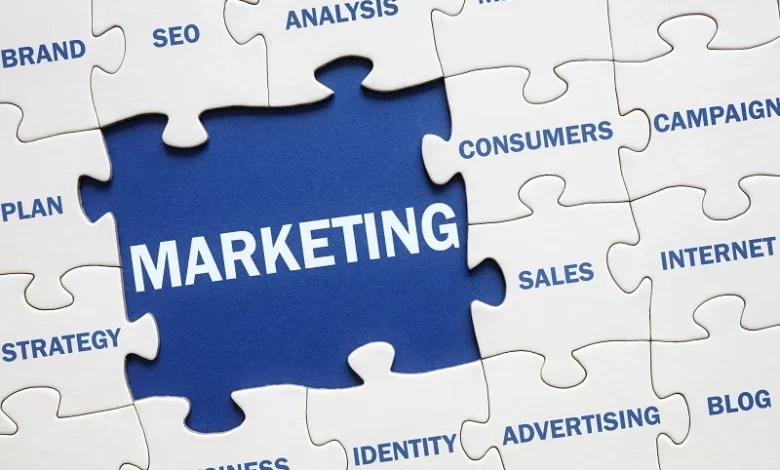
Whether you own a bakery, a retail store, a technology company, or a financial services business, effective marketing is essential if you want to attract customers and capture your share of the market.
So, how do you market your business project successfully?
The first step is to understand the basic principles of marketing. From there, you need to develop a marketing strategy and a practical marketing plan that fits your business, target audience, and available budget.
You don’t need to be a marketing expert to promote your business effectively. However, there is no magic formula or one-size-fits-all marketing strategy.
For example, the marketing strategy of a mortgage broker will be very different from that of a computer retailer. What works for one business may not work for another.
Marketing is also much more than simply running advertisements. When done correctly, it can help you attract customers, build your brand, increase sales, and grow your revenue.
In this article, we’ll explore 8 steps to successfully market your business, followed by several effective ways to promote the products and services you offer.
8 Steps to Successfully Market Your Business
1. Conduct Market Research
Market research is one of the most important parts of developing an effective marketing strategy.
It involves gathering information about your potential customers, their needs, purchasing behavior, preferences, and the factors that influence their buying decisions.
Market research can help you:
- Understand your customers’ needs
- Identify purchasing patterns
- Discover new market opportunities
- Estimate potential sales
- Monitor market trends
- Analyze competitors
- Identify potential threats to your business
You can conduct market research yourself using surveys, interviews, online research, and customer feedback. You can also work with a marketing consultant when specialized expertise is required.
The better you understand your market, the easier it becomes to create marketing messages that resonate with your customers.
2. Identify and Analyze Your Target Market
Trying to market your product or service to everyone can be expensive and ineffective.
Instead, identify the people who are most likely to need your product, value your offer, and be willing to pay for it.
You can segment potential customers according to factors such as:
- Location
- Age
- Gender
- Education
- Income
- Occupation
- Buying behavior
- Purchase readiness
- Customer loyalty
- Lifestyle
- Social class
- Personality and interests
Your target market should consist of people who have a genuine need for your product or service and have the ability and willingness to purchase it.
The more precisely you define your target audience, the more efficiently you can spend your marketing budget.
3. Define Your Unique Selling Proposition
Why should customers choose your business instead of your competitors?
Your Unique Selling Proposition (USP) is the specific value or advantage that makes your business stand out.
A strong USP gives potential customers a clear reason to choose you.
To identify your unique selling proposition, ask yourself:
- What do customers value most about our products or services?
- What skills or expertise make our business different?
- Why do customers choose us over competitors?
- What specific problem do we solve?
- What benefits do customers receive?
- What do customers frequently mention when recommending our business?
- What can we offer that competitors don’t?
For example, your competitive advantage could be:
“Same-day delivery within 10 miles.”
Or:
“Personalized financial planning for small-business owners.”
Your USP should be specific, relevant to your customers, and genuinely supported by your business.

4. Build a Strong Brand
Every business, regardless of its size, can benefit from having a recognizable brand.
However, a brand is much more than a logo, color scheme, or slogan.
Your brand represents:
- Who you are
- What your business stands for
- What makes you different
- The experience customers can expect
- The emotions customers associate with your business
A strong brand helps you build recognition and trust with your target audience.
For example, two companies may offer similar products, but customers may choose one because they perceive it as more trustworthy, professional, convenient, or aligned with their values.
Your goal is to create a consistent experience across your website, social media, advertising, packaging, customer service, and other points of contact.
5. Choose the Right Marketing Channels
There are many ways to market a business, but you don’t need to use every channel.
The right marketing channels depend on where your target customers spend their time and how they make purchasing decisions.
Potential marketing channels include:
- Business websites
- Search engine optimization (SEO)
- Social media
- Email marketing
- Content marketing
- Blogs
- Online advertising
- Brochures and flyers
- Networking events
- Industry events
- Referral marketing
- Word-of-mouth marketing
- Print advertising
For example, a business targeting young consumers may benefit heavily from social media, while a B2B company may get better results from LinkedIn, email marketing, industry events, and SEO.
Choose your channels based on your audience—not simply because they are popular.
6. Set Marketing Goals and Create a Budget
Before spending money on marketing, decide what you want your marketing activities to accomplish.
Your goals should be specific, measurable, achievable, relevant, and time-bound (SMART).
Instead of:
“I want more customers.”
Set a measurable goal such as:
“Generate 100 qualified leads per month through our website within six months.”
Your marketing budget may include expenses such as:
- Website development and maintenance
- SEO
- Branding and graphic design
- Content creation
- Social media marketing
- Advertising campaigns
- Printed promotional materials
- Marketing software
- Events and sponsorships
- Marketing employees or freelancers
There is no universal marketing budget that works for every business. Your spending should depend on your industry, business stage, margins, growth objectives, and customer acquisition costs.
For a new business, you may need to invest more initially to establish your brand and acquire your first customers.
The key is to track your results and invest more heavily in marketing activities that produce measurable returns.
7. Take Care of Your Existing Customers
Marketing isn’t only about finding new customers.
Your existing customers can become one of your most valuable sources of repeat sales, referrals, reviews, and recommendations.
Providing excellent customer service can help differentiate your business from competitors and encourage customers to return.
Effective customer retention strategies include:
- Regular communication through email and social media
- Post-purchase follow-up
- Providing excellent customer support
- Keeping your promises
- Asking for customer feedback
- Responding quickly to complaints
- Offering loyalty rewards
- Providing useful content
- Training employees in customer service and sales
You can also exceed expectations by providing additional value when appropriate.
For example, a simple follow-up message after a purchase can show customers that you care about their experience.
A satisfied customer can become a repeat customer—and potentially a source of new customers through referrals.
8. Monitor, Measure, and Review Your Marketing
A marketing strategy shouldn’t be something you create once and forget.
You need to regularly monitor your marketing activities to determine what is working and what needs to change.
Depending on your business, you might track:
- Website traffic
- Leads generated
- Conversion rates
- Sales
- Customer acquisition costs
- Advertising costs
- Email open and click-through rates
- Social media engagement
- Customer retention
- Return on advertising spend (ROAS)
During the early stages of a business, reviewing your marketing plan every few months can help you identify problems and opportunities.
You should also reconsider your strategy when:
- You launch a new product or service
- A major competitor enters your market
- Customer behavior changes
- Your industry changes
- Your sales decline
- A marketing campaign performs significantly better or worse than expected
Marketing becomes much more effective when decisions are based on data rather than assumptions.
3 Effective Ways to Promote Your Products and Services
Once you have established your marketing strategy, the next step is promoting your products and services to your target audience.
Here are three important approaches to consider.
1. Use Printed and Visual Marketing Materials
Traditional printed materials can still be useful for businesses that operate locally or interact with customers in person.
Examples include:
- Business cards
- Brochures
- Flyers
- Posters
- Product catalogs
- Banners
- Promotional materials
The key is to make these materials clear, professional, and focused on customer benefits.
Don’t simply list everything your business offers.


